Civil rights entered the public record city by city.
Eugene began public hearings on gay rights in 1972 and adopted a civil-rights ordinance in 1977. The ordinance added sexual orientation to local protections in areas including employment and housing. It was repealed by voters in a 1978 referendum during a national wave of backlash against gay-rights laws.
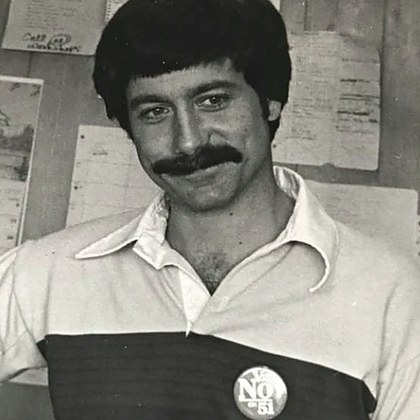
For organizers, the setback did not end the work. The hearings, campaign, and referendum created networks, political experience, and a public record that helped Oregon’s LGBTQ+ movement grow. Terry’s archive places his early organizing inside this wider effort.
The enduring initiative was equal treatment under law. Later Oregon campaigns used the same basic tools seen here: coalition building, public education, fundraising, and sustained participation in electoral politics.